

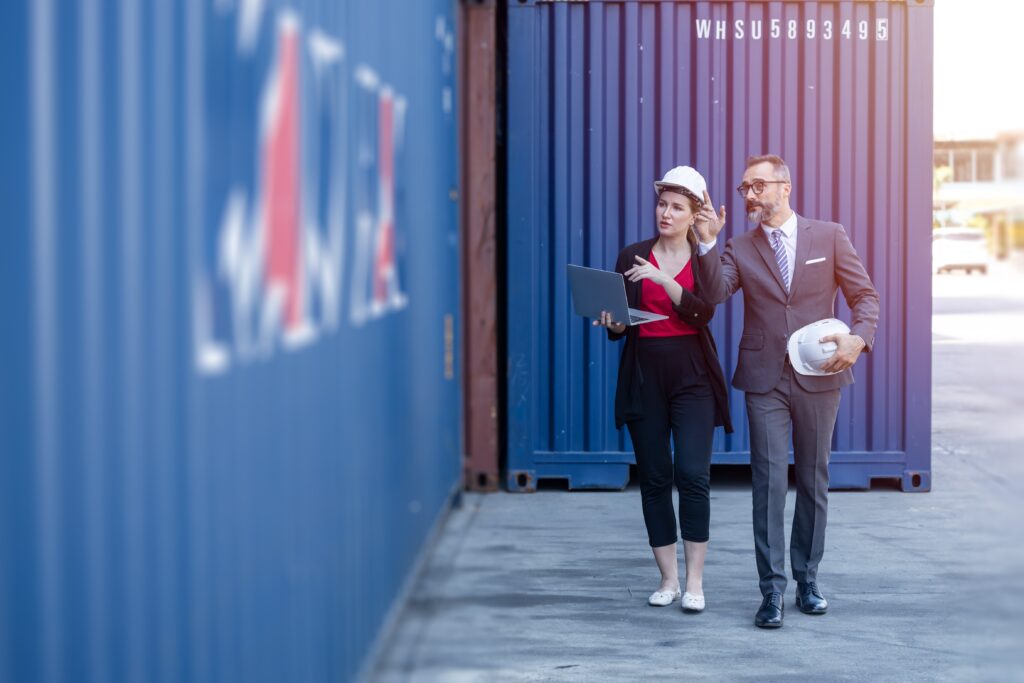
Importing goods to the UAE involves more than simply transporting the items from your supplier to your destination. Customs clearance in Dubai requires importers to prepare the documents describing the goods, follow the rules that apply, submit the declaration and pay any customs fees before the cargo can be released. Understanding the process ahead of time helps businesses avoid delays avoid document mistakes and keep their supply chain moving
What Is Customs Clearance?
Customs clearance is the stage where imported or exported goods are reported to the customs group and examined before they are released. This step allows authorities to check the shipment details, determine what taxes or fees are due and assess whether the goods require approvals or inspections.
For businesses in Dubai this process involves people. These people include importers, exporters, freight forwarders, shipping agents, customs brokers and government groups. The specific steps required vary depending on what the goods are, where they come from, how much they are worth, how they are sent and whether they are controlled or restricted.
Documents Required for Import Shipments
Having documents is one of the important parts of a smooth clearance. The UAE Government lists papers for imports, such as a commercial invoice, a certificate of origin, a detailed packing list and import permits for goods that are restricted or do not pay duties.
The commercial invoice must include details about the shipment, such as what the items are, how many there are and their value. The packing list must align with the items. Provide full information, such as how the goods are packed, their weight and the correct HS codes.
Businesses should double‑check these documents before sending them. If the invoice, packing list, declaration or the actual goods do not match it can cause questions, extra checks or delays.
Understanding the Clearance Process
The customs clearance procedure in Dubai usually begins with getting shipment and product information ready for the customs declaration. The declaration contains all the details customs needs to review the goods based on the type of declaration and the purpose.
Dubai Customs says traders can file the declaration themselves or use a customs broker. The person making the declaration is responsible for the information given while the customs broker can assist with reviewing exemptions, permits and other paperwork.
A normal shipment usually follows these steps:
- Preparing the shipment documents.
- Confirming the HS code. What rules apply.
- Getting any necessary permits or approvals.
- Filing the customs declaration.
- Customs reviewing the declared information.
- Paying any customs fees and charges.
- Completing any inspections or extra checks.
- Getting the cargo released and arranging the transport.
Not all shipments go through these steps in the way. The specific needs can vary depending on the goods. How they are being imported.
Why HS Classification Matters
The Harmonized System often referred to as the HS code system offers a way to classify traded products. Getting the classification right is important because the product category can impact customs treatment, the duties that apply the documentation needed and the regulatory controls that are enforced.
Dubai Customs offers an HS code search tool that enables users to look up codes by either the HS code itself or by a product description.
Importers should not select a code based solely on its similarity to the product. A detailed description of the goods including their composition, function and intended use may be required to identify the classification.
Handling Food and Regulated Products
Food products often require care as they may be subject to rules beyond normal customs paperwork. Foodstuff customs clearance can demand product approvals, specific labeling, documentation and inspections by the authorities depending on what the product is.
The same rule applies to products. Items such as medicines, cosmetics, chemicals, telecommunications equipment and some agricultural or animal‑related goods may need approvals from the authority before they can be released.
Importers must identify these requirements before the shipment leaves the country of origin. Waiting until the cargo arrives can cause delays that could have been avoided if a permit or approval was missing.
Common Reasons for Clearance Delays
Many things can slow down the release of imported cargo. Incomplete paperwork, incorrect classification, missing permits, unclear product descriptions, questions about value or discrepancies, between the documents and the actual cargo can all lead to reviews.
Restricted or regulated shipments may also be inspected by the authority. According to UAE Government guidance, customs may. Assess the information we provide and may require an authority to inspect the cargo before it is released.
We can reduce these risks by reviewing shipment documents before cargo arrives and by understanding the rules for each product category.
How a Customs Clearance Partner Can Help
Companies that import or export goods regularly may prefer to collaborate with a customs clearance provider and can assist us with document preparation, declaration processing, classification checks, permit coordination, communication with customs and cargo release procedures.
This can be particularly helpful for companies that have suppliers sending shipments of regulated goods or that handle complex international trade requirements. A customs expert can also identify documentation gaps prior to them becoming issues.
Conclusion
Clearance depends on preparation, accurate information and following the rules that apply to each shipment. Importers should review the product classification, gather documents, obtain permits and ensure the information we provide to customs matches the actual cargo.
Customs clearance Dubai should be one of the necessary considerations for those businesses that import goods to Dubai. It would make sense for companies to prepare themselves in advance since this will enable them to save money, prevent delays, comply with regulations, and ensure smooth flow of cargo in the supply chain.
If we need help with customs documentation, declarations, permits and shipment release businesses can work with a trusted customs and logistics provider who is familiar with UAE import rules.
FAQ
Yes, food items need to be registered and approved and their labels should meet the standards of UAE.
Documentation problems like wrong HS codes and permits can cause delays in the customs clearance process. Delay can be avoided through proper documentation.
The documents required are invoice, certificate of origin, packing list, customs declaration, and permits for any restricted goods.
HS code is a classification of goods for international trade and helps in determining the customs duty levied on them. It is very important for all goods.
It depends on the kind of consignment being imported into Dubai. Proper preparation will ensure that the process becomes fast.
